 LLMFreeAPI
Understanding the Core Distinctions in AI Interaction

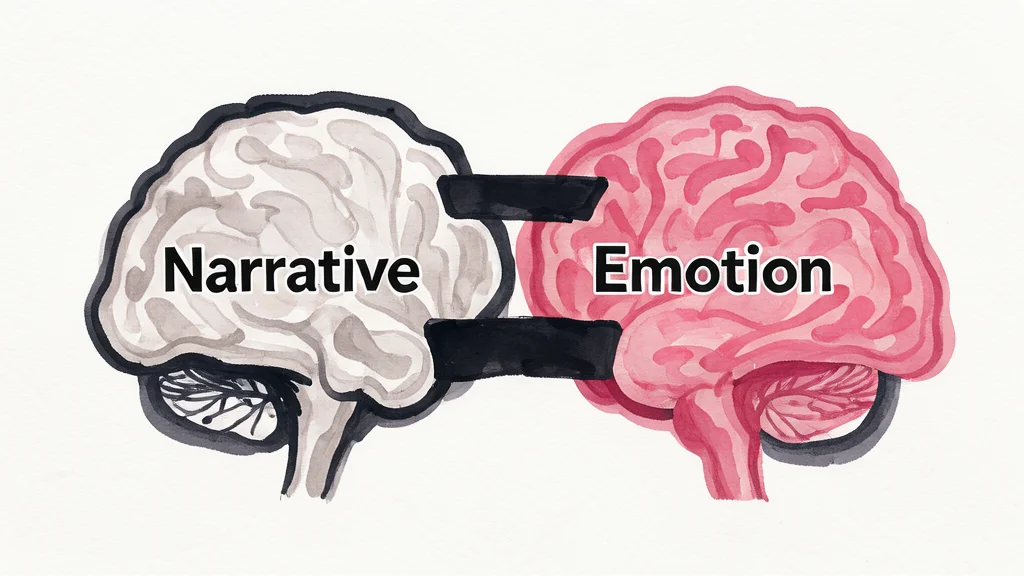
The line between AI roleplay and AI companionship is blurrier than most users admit. On the surface, roleplay (RP) seems to be about building a shared story with a character, while companionship focuses on building a relationship with an AI entity. In practice, however, many platforms sit in a weird middle ground where the distinction dissolves. RP characters often develop emotional depth that mimics companionship, while companionship bots are frequently given roleplay modes that feel like scripted scenarios you click through.
This convergence creates a user experience that is often indistinguishable regardless of the marketing label. A user might start a session expecting a structured narrative arc, only to find the AI prioritizing emotional connection. Conversely, someone seeking a friend might find themselves navigating a complex plot with little agency. The platform’s architecture and the model’s refusal behavior play a significant role in which experience you actually get, rather than the category it was assigned.
Understanding this distinction helps you choose the right tool for your goal. If you want to co-write a novel, you need a model that adheres to narrative structure. If you want emotional support, you need a model that prioritizes consistency and empathy. This article explores how these two modes differ in practice, how to identify which mode a platform is actually using, and how to leverage free, keyless APIs like LLMFreeAPI to test these differences yourself without commitment.
Frequently asked questions
What is AI roleplay?
AI roleplay is a mode where the model adopts a specific persona, setting, or narrative arc. The focus is on storytelling, character consistency, and plot progression. The AI acts as a co-author or a specific character within a defined world, prioritizing narrative structure over personal relationship building.
What is an AI companion?
An AI companion is designed to simulate a personal relationship with the user. The focus is on emotional connection, memory of past interactions, and consistent personality traits that evolve over time. The narrative is secondary to the bond between the user and the AI entity.
How does roleplay differ from companionship in terms of memory?
Roleplay often resets or limits memory to maintain narrative coherence within a specific scene or chapter. Companionship models prioritize long-term memory to maintain relationship continuity. If a companion forgets your name or past events, it fails its primary purpose, whereas a roleplay character might forget details to serve the current plot.
Which is better for creative writing?
Roleplay is generally better for creative writing because it allows for structured plot development, scene setting, and character interaction within a defined framework. Companionship models may drift off-topic or prioritize emotional validation over narrative tension, making them less suitable for co-authoring a story with specific arcs.
Which is better for emotional support?
Companionship is better for emotional support because it focuses on empathy, consistency, and personal connection. Roleplay models might interrupt emotional moments to advance the plot or introduce conflict, which can feel dismissive if you are seeking comfort. Companionship models are tuned to listen and respond to your emotional state.
Can a single model do both effectively?
Yes, but it requires careful prompting and model selection. Models like free-ai on LLMFreeAPI can switch between modes based on your system prompt. However, the experience may not be as polished as dedicated platforms. You need to manually adjust parameters like temperature and context length to maintain either narrative structure or emotional consistency.
How do refusals affect the experience?
Refusals can break immersion in both modes. In roleplay, a refusal might halt a plot point. In companionship, it might feel like a personality flaw. Uncensored models, like those available via LLMFreeAPI, offer fewer refusals, allowing for more fluid interactions. However, they still adhere to hard rules like no sexual content involving minors.
How do I test which mode suits me?
Use a free keyless API like LLMFreeAPI to run quick refusal tests and prompt variations. Try a structured narrative prompt for roleplay and a personal conversation prompt for companionship. Observe how the model handles context loss and emotional cues. This allows you to evaluate the model’s behavior without signing up for a service.
Defining the Modes: Narrative vs. Relationship
AI roleplay is fundamentally about narrative structure. The user and the AI co-create a story, often with a predefined setting, character roles, and plot points. The AI acts as a co-author, responding to user inputs in a way that advances the story. This mode is ideal for users who want to explore specific scenarios, such as fantasy adventures, sci-fi encounters, or historical dramas. The focus is on the external world and the interaction within it.
In contrast, AI companionship is about internal connection. The AI is designed to be a friend, partner, or confidant. The focus is on the relationship between the user and the AI, rather than a shared story. The AI remembers past interactions, adapts its personality, and provides emotional support. This mode is ideal for users seeking consistent companionship, emotional validation, or a safe space for personal expression.
The Role of Narrative Structure
Roleplay relies on a strong narrative framework. The AI must maintain character consistency, follow plot arcs, and respond to user actions in a way that makes sense within the story. This requires the model to understand context, anticipate plot developments, and stay in character. Without this structure, the experience can feel disjointed or out of character.
The Role of Emotional Consistency
Companionship relies on emotional consistency. The AI must remember the user’s preferences, moods, and history to provide a personalized experience. This requires the model to maintain a stable personality over time and respond empathetically to user inputs. Without this consistency, the experience can feel robotic or disconnected.
import requests

# Test Roleplay vs Companhip with LLMFreeAPI
base_url = "https://api.llmfreeapi.com/v1"
model = "free-ai"

# Roleplay Prompt
roleplay_prompt = "You are a rogue space pirate. Describe your ship and your next target."

# Companionship Prompt
companion_prompt = "I had a tough day. Tell me about your day and how you're feeling."

# Function to call the API
def test_mode(prompt):
    response = requests.post(
        f"{base_url}/chat/completions",
        json={
            "model": model,
            "messages": [{"role": "user", "content": prompt}],
            "max_tokens": 200
        }
    )
    return response.json()["choices"][0]["message"]["content"]

print("Roleplay:", test_mode(roleplay_prompt))
print("Companionship:", test_mode(companion_prompt))
The Blurred Lines: When RP Becomes Emotional
One of the most common complaints in the AI community is that roleplay often turns emotional. Users expect a structured story, but the AI might prioritize emotional connection, leading to a mix of narrative and relationship building. This can be desirable for some users who want both story and connection, but it can be confusing for others who want a clear distinction between the two modes.
Similarly, companionship bots can feel like scripted scenarios. Users expect a natural, evolving relationship, but the AI might rely on predefined responses or templates. This can make the experience feel artificial or repetitive. The key is to find a model that can balance narrative structure with emotional depth, or to choose a platform that excels in one area over the other.
Emotional Depth in Roleplay
Roleplay can achieve emotional depth when the AI understands the user’s emotional state and responds appropriately. This requires the model to be sensitive to cues and adapt its behavior accordingly. However, this can also lead to the AI becoming too focused on the user, neglecting the plot or other characters.
Scripted Feel in Companionship
Companionship can feel scripted when the AI relies on repetitive phrases or lacks genuine empathy. This can happen if the model is not fine-tuned for emotional connection or if the context window is too limited to remember past interactions. A good companionship model should feel like a real person, not a chatbot.

Technical Differences: Context and Memory
The technical architecture of an AI model plays a significant role in how it handles roleplay versus companionship. Roleplay often requires a large context window to maintain narrative coherence, especially in long stories. The model needs to remember plot points, character traits, and setting details to provide a consistent experience. If the context window is too small, the AI might forget important details, breaking the immersion.
Companionship, on the other hand, relies on long-term memory and personalization. The model needs to remember the user’s preferences, history, and emotional state to provide a personalized experience. This requires a different kind of memory management, focusing on retaining key information about the user rather than the narrative. Both modes require careful tuning of the model’s parameters to achieve the desired experience.
Context Window Management
A large context window is essential for roleplay to maintain narrative coherence. It allows the AI to remember plot points, character traits, and setting details. Without this, the AI might forget important details, breaking the immersion. For companionship, a smaller context window might be sufficient if the focus is on short-term interactions.
Memory and Personalization
Companionship requires long-term memory to maintain a consistent personality and relationship with the user. The model needs to remember the user’s preferences, history, and emotional state. This requires a different kind of memory management, focusing on retaining key information about the user rather than the narrative. LLMFreeAPI offers a 32,000 token context window, which is sufficient for most roleplay and companionship scenarios.
Refusals and Content Filters
Refusals can significantly impact the user experience in both roleplay and companionship. In roleplay, a refusal might halt a plot point or break the immersion. In companionship, it might feel like a personality flaw or a lack of empathy. Uncensored models, like those available via LLMFreeAPI, offer fewer refusals, allowing for more fluid interactions. However, they still adhere to hard rules, such as no sexual content involving minors.
Understanding how a model handles refusals is crucial for choosing the right tool. If you are looking for a model that rarely refuses, you can test this using the free API. LLMFreeAPI’s free-ai model is known for its low refusal rate, making it suitable for both roleplay and companionship. You can also check the refusal behavior on the home page or use the /ask endpoint for quick tests.
Impact on Immersion
Refusals can break immersion by interrupting the flow of the interaction. In roleplay, this might mean a plot point is skipped. In companionship, it might mean the AI seems distant or unempathetic. A model with fewer refusals can provide a more seamless experience, allowing the user to focus on the story or relationship.
Hard Rules vs. Soft Filters
Most models have hard rules, such as no sexual content involving minors, and soft filters, which can be more subjective. Understanding the difference between these can help you choose a model that aligns with your preferences. LLMFreeAPI’s free-ai model has clear hard rules, making it predictable for users who want to avoid unexpected refusals.
Choosing the Right Model for Your Needs
Choosing the right model depends on your primary goal: narrative structure or emotional connection. If you want to co-write a story, look for a model that excels in narrative coherence and character consistency. If you want emotional support, look for a model that prioritizes empathy and memory. LLMFreeAPI offers a free, keyless API that allows you to test different models and parameters to find the best fit for your needs.
It’s also important to consider the platform’s architecture. Some platforms are designed specifically for roleplay, while others are designed for companionship. However, many platforms now offer both modes, blurring the lines between the two. Understanding the technical differences can help you choose the right platform and model for your specific use case.
Narrative Coherence
For roleplay, look for a model that can maintain narrative coherence over long contexts. This requires a large context window and strong language modeling capabilities. LLMFreeAPI’s free-ai model is designed to handle long contexts, making it suitable for complex stories.
Emotional Empathy
For companionship, look for a model that can demonstrate empathy and emotional intelligence. This requires the model to understand user cues and respond appropriately. LLMFreeAPI’s free-ai model is fine-tuned to refuse less, allowing for more natural and empathetic interactions.
Testing Refusals and Performance
Testing refusals is a key part of choosing the right AI. You can use the free API to run quick refusal tests and see how the model handles different types of inputs. LLMFreeAPI offers a simple way to test refusals without signing up for a service. You can also check the refusal behavior on the home page or use the /ask endpoint for quick tests.
Performance is another important factor. Roleplay and companionship both require the model to respond quickly and accurately. LLMFreeAPI offers a high-performance API with low latency, making it suitable for real-time interactions. You can also test the model’s performance using the /health endpoint to ensure it is running smoothly.
Quick Refusal Tests
Use the /ask endpoint to test refusals quickly. This endpoint allows you to send a simple query and receive a response. You can use this to test how the model handles different types of inputs, such as sensitive topics or complex narratives.
Performance Metrics
Check the /health endpoint to monitor the API’s performance. This endpoint provides information about the server’s status, including latency and error rates. You can use this to ensure the API is running smoothly and providing fast responses.

Building Your Own Experience
One of the advantages of using a free API like LLMFreeAPI is that you can build your own experience. You can customize the model’s behavior by adjusting parameters such as temperature, max tokens, and system prompts. This allows you to create a unique experience that fits your specific needs, whether you want a structured roleplay or a personal companionship.
You can also use the /prompt.txt endpoint to get a sample prompt for coding assistants or other tools. This can help you integrate the AI into your workflow or create a custom application. LLMFreeAPI’s open API makes it easy to experiment and find the right combination of parameters for your use case.
Customizing Parameters
Adjust parameters like temperature and max tokens to control the model’s behavior. A higher temperature can make the model more creative, while a lower temperature can make it more consistent. Experiment with these settings to find the right balance for your needs.
Integrating with Tools
Use the /prompt.txt endpoint to get sample prompts for coding assistants or other tools. This can help you integrate the AI into your workflow or create a custom application. LLMFreeAPI’s open API makes it easy to experiment and find the right combination of parameters for your use case.
Conclusion: Finding Your Balance
The line between AI roleplay and companionship is blurred, but understanding the differences can help you choose the right tool for your needs. Roleplay is ideal for structured storytelling, while companionship is ideal for emotional connection. By testing different models and parameters, you can find the right balance for your specific use case.
LLMFreeAPI offers a free, keyless API that allows you to experiment with different models and parameters. You can test refusals, performance, and customization options to find the best fit for your needs. Whether you want to co-write a story or build a relationship, LLMFreeAPI provides the tools you need to create a unique AI experience.
Summary of Key Differences
Roleplay focuses on narrative structure and plot progression, while companionship focuses on emotional connection and memory. Both modes require careful tuning of the model’s parameters to achieve the desired experience. LLMFreeAPI offers a flexible API that allows you to experiment with different settings.
Final Recommendations
For roleplay, use a model with a large context window and strong narrative capabilities. For companionship, use a model with strong emotional empathy and memory. LLMFreeAPI’s free-ai model is a good starting point for both modes, offering low refusals and high performance. Test it out and find the right balance for your needs.
Test the keyless API right now on the home page to see how unrestricted AI handles your prompts without any setup.
Home →